



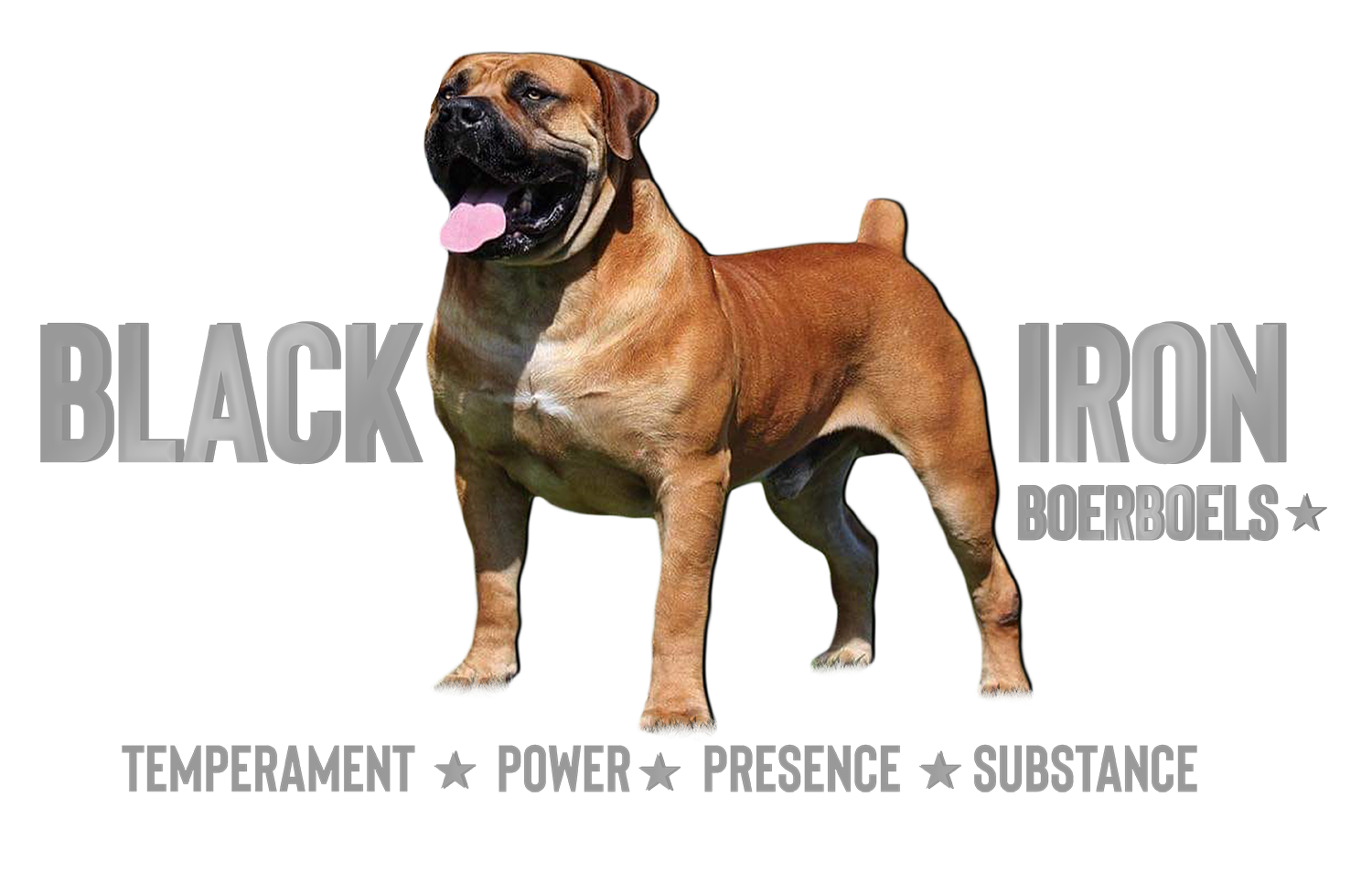


The Boerboel stands apart from other large breeds not just for its strength but for the unique balance of discipline, presence, and loyalty it brings into a household. The American Kennel Club (AKC) maintains detailed breed standards for Boerboels that reflect the breed’s dual purpose as both a protector and companion.
Owners who value performance, structure, and temperament above superficial traits understand why precision matters when evaluating a Boerboel’s quality. This complete breakdown covers every aspect of the breed’s standard so prospective owners and seasoned handlers alike can make informed, practical decisions.
Overall Appearance and Presence
A Boerboel must project strength without sacrificing agility or alertness. Judges expect a square stance, deep chest, broad shoulders, and a confident presence that communicates stability. No detail appears unintentional in the AKC standard. Every angle and measurement supports a breed designed to protect and endure.
Skin condition, coat health, and muscle definition all contribute to first impressions in the ring and at home. Boerboels with dry coats, excess wrinkling, or uneven muscle tone often signal nutritional gaps, limited conditioning, or a weak structural lineage. Physical presence starts with genetics but requires consistent care and an environment that demands purpose.
One of the key lessons in any complete guide to AKC Boerboel breed standards centers on how outward appearance defines the working purpose behind the breed. A well-proportioned Boerboel should move with readiness and project a steady demeanor without showing excess nervous energy. Owners who appreciate the balance between dominance and discipline recognize the significance of the subtle expectations built into the appearance criteria.
Head Shape and Expression
A strong Boerboel starts with a head that signals confidence and clarity. The AKC prioritizes a broad skull, deep stop, wide muzzle, and well-developed jaw as fundamental components of breed structure. Symmetry between the skull and muzzle preserves the breed’s power and reliability under pressure.
Head structure supports more than aesthetics; it directly influences bite strength, respiratory health, and stamina. Boerboels with narrow skulls or shallow stops may struggle with heat regulation, especially during extended work or training sessions. Breeders who prioritize function over showy exaggeration protect the breed’s working heritage while reducing long-term veterinary concerns.
Beyond dimensions, the Boerboel’s expression offers critical information about temperament and control. Eyes must sit wide and level, maintaining a focused gaze without excessive white or visible fear. Proper ear placement helps define the silhouette while contributing to overall facial balance.
Body Proportions and Musculature
The AKC standard calls for well-developed muscle from shoulders to rear, with tight skin and visible tone defining each region. Width and depth must balance across the body, as an overdeveloped front or an underbuilt rear creates long-term strain on the joints and back. Structure never gets judged by size alone; utility always guides conformation assessments.
This complete guide to AKC Boerboel breed standards clearly defines how proportion supports both form and function. Boerboels must distribute weight evenly with a slight taper from shoulders to waistline. Strong hindquarters support clean, forward propulsion while the chest provides grounded control during confrontation or play.
Movement and Gait Requirements
Gait assessments reveal hidden flaws more clearly a than stacked presentation ever can. Boerboels should move with confidence, pushing from the rear and landing cleanly without lateral sway or dragging. Each step must express control, power, and readiness rather than stiffness or hesitation.
Judges watch for rhythm, balance, and joint engagement throughout the movement cycle. Even subtle faults like slight crabbing or pacing show structural instability. Smooth transitions between walk, trot, and short bursts can distinguish a properly structured Boerboel from one paired without long-term durability in mind.
Temperament and Stability
AKC standards call for a dog that displays calm assertiveness without unnecessary aggression. A strong Boerboel must defend when provoked, but never act without command, especially around children or unfamiliar guests. Trainers and handlers value self-control as a mark of proper lineage and upbringing.
Unpredictable behavior signals either poor pairing history or gaps in structure and leadership. Early boundaries, constant reinforcement, and proper introductions form the foundation of emotional control. Without stability, strength becomes a liability.
Coat Type and Color
The AKC allows red, fawn, brown, and brindle coats with limited white markings, provided pigment around the eyes and lips stays dark. Hair must remain short, dense, and clean with tight skin underneath. Variants like blue or black coats disqualify entries immediately under current guidelines.
Coat quality says more than many owners realize. A healthy Boerboel carries a smooth coat that resists infection, dirt, and seasonal shedding. Poor skin health often indicates dietary imbalances or environmental stressors that reduce performance over time.
Size Standards and Weight Ranges
Adult males must stand between 24 and 27 inches at the withers, while females measure between 22 and 25 inches. Weights vary based on bone density and muscle, but males generally reach 150 to 200 pounds, with females weighing slightly less. All sizes must support balanced movement and proportional control.
Because Boerboels mature slowly, most dogs do not fully reach their adult size and structure until age two or later. Rapid growth during the first year requires careful nutritional planning to protect joint development and prevent excess strain. Supporting steady, lean muscle gain rather than unchecked bulking helps their dogs achieve better long-term movement, stability, and endurance.
At Black Iron Boerboel, we match clients with South African Boerboel pups that meet AKC standards for height, weight, and structure while maintaining the temperament and strength people rely on. Every pup we place reflects our focus on function and long-term utility, not merely conformation titles. Boerboels must live up to real-world expectations before any show accolades become relevant.
Disqualifications and Faults
The AKC disqualifies Boerboels with excessive aggression, pronounced fear responses, blue eyes, undershot or overshot jaws, and major structure flaws. Incorrect coat colors or excessive white patches also bar dogs from participation. Judges must enforce these standards to protect both the breed’s integrity and public safety.
Faults do not automatically disqualify a dog but affect long-term value and functional use. A Boerboel with minor structural imbalances may pass casual inspection but struggle under physical strain. Owners focused on serious work or confident family protection recognize the importance of every detail, especially those overlooked by hobbyists.
Find the Right Boerboel Pups Today
A proper Boerboel does more than intimidate with size; it carries discipline, strength, and stability into every interaction. Breed standards exist to protect that balance, not limit expression or aesthetic variety. Serious owners care about structure and movement because those traits support purpose and longevity.
At Black Iron Boerboel, we match clients with pups that meet AKC expectations because we believe every Boerboel should offer more than presence—it should offer protection, control, and peace of mind. Contact us to learn more about our available South African Boerboel pups and how we help place them with the right families.