



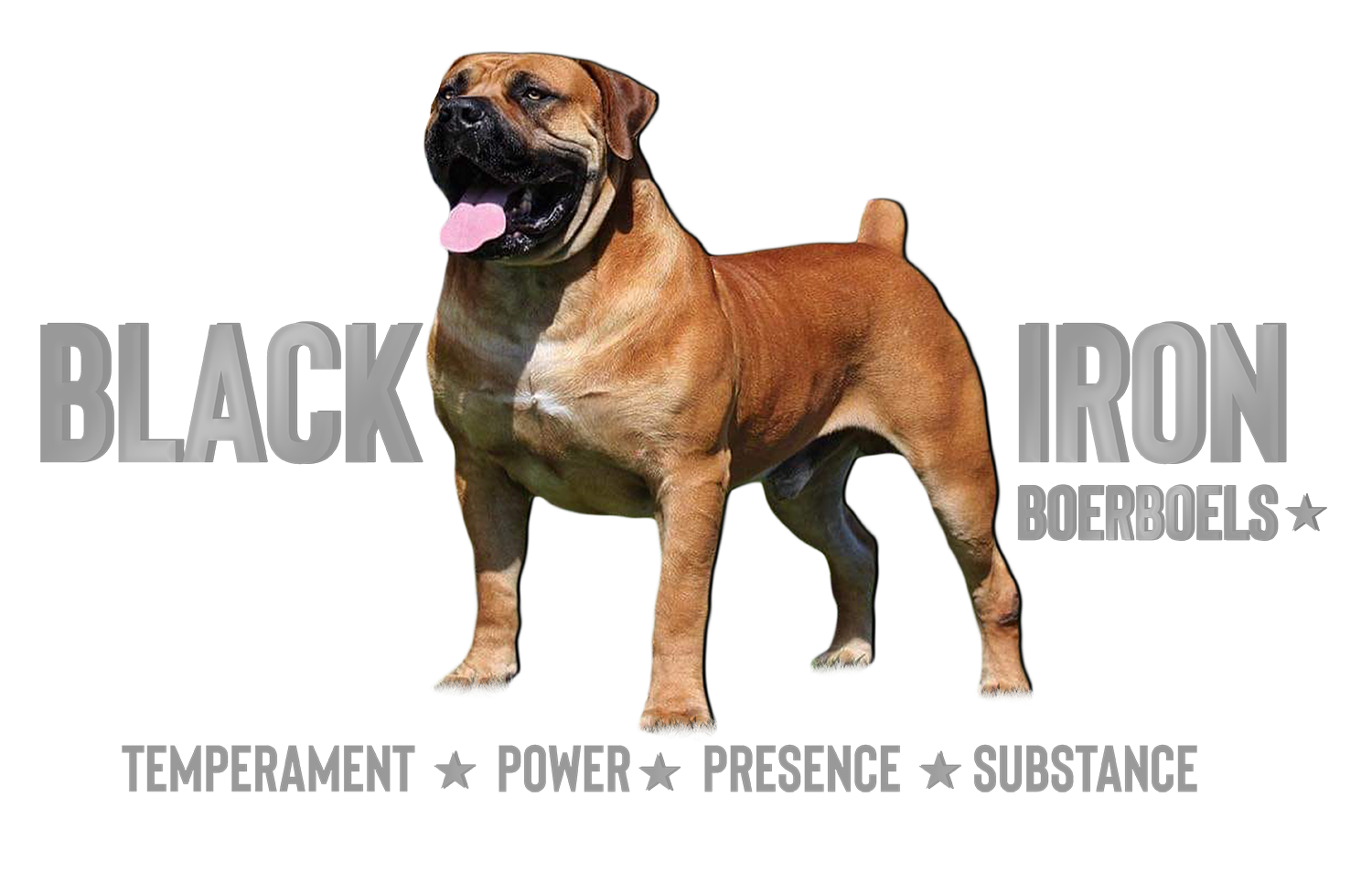


The Boerboel stands apart from other large breeds not just for its strength but for the unique balance of discipline, presence, and loyalty it brings into a household. The American Kennel Club (AKC) maintains detailed breed standards for Boerboels that reflect the breed’s dual purpose as both a protector and companion.
Owners who value performance, structure, and temperament above superficial traits understand why precision matters when evaluating a Boerboel’s quality. This complete breakdown covers every aspect of the breed’s standard so prospective owners and seasoned handlers alike can make informed, practical decisions.
Overall Appearance and Presence
A Boerboel must project strength without sacrificing agility or alertness. Judges expect a square stance, deep chest, broad shoulders, and a confident presence that communicates stability. No detail appears unintentional in the AKC standard. Every angle and measurement supports a breed designed to protect and endure.
Skin condition, coat health, and muscle definition all contribute to first impressions in the ring and at home. Boerboels with dry coats, excess wrinkling, or uneven muscle tone often signal nutritional gaps, limited conditioning, or a weak structural lineage. Physical presence starts with genetics but requires consistent care and an environment that demands purpose.
One of the key lessons in any complete guide to AKC Boerboel breed standards centers on how outward appearance defines the working purpose behind the breed. A well-proportioned Boerboel should move with readiness and project a steady demeanor without showing excess nervous energy. Owners who appreciate the balance between dominance and discipline recognize the significance of the subtle expectations built into the appearance criteria.
Head Shape and Expression
A strong Boerboel starts with a head that signals confidence and clarity. The AKC prioritizes a broad skull, deep stop, wide muzzle, and well-developed jaw as fundamental components of breed structure. Symmetry between the skull and muzzle preserves the breed’s power and reliability under pressure.
Head structure supports more than aesthetics; it directly influences bite strength, respiratory health, and stamina. Boerboels with narrow skulls or shallow stops may struggle with heat regulation, especially during extended work or training sessions. Breeders who prioritize function over showy exaggeration protect the breed’s working heritage while reducing long-term veterinary concerns.
Beyond dimensions, the Boerboel’s expression offers critical information about temperament and control. Eyes must sit wide and level, maintaining a focused gaze without excessive white or visible fear. Proper ear placement helps define the silhouette while contributing to overall facial balance.