



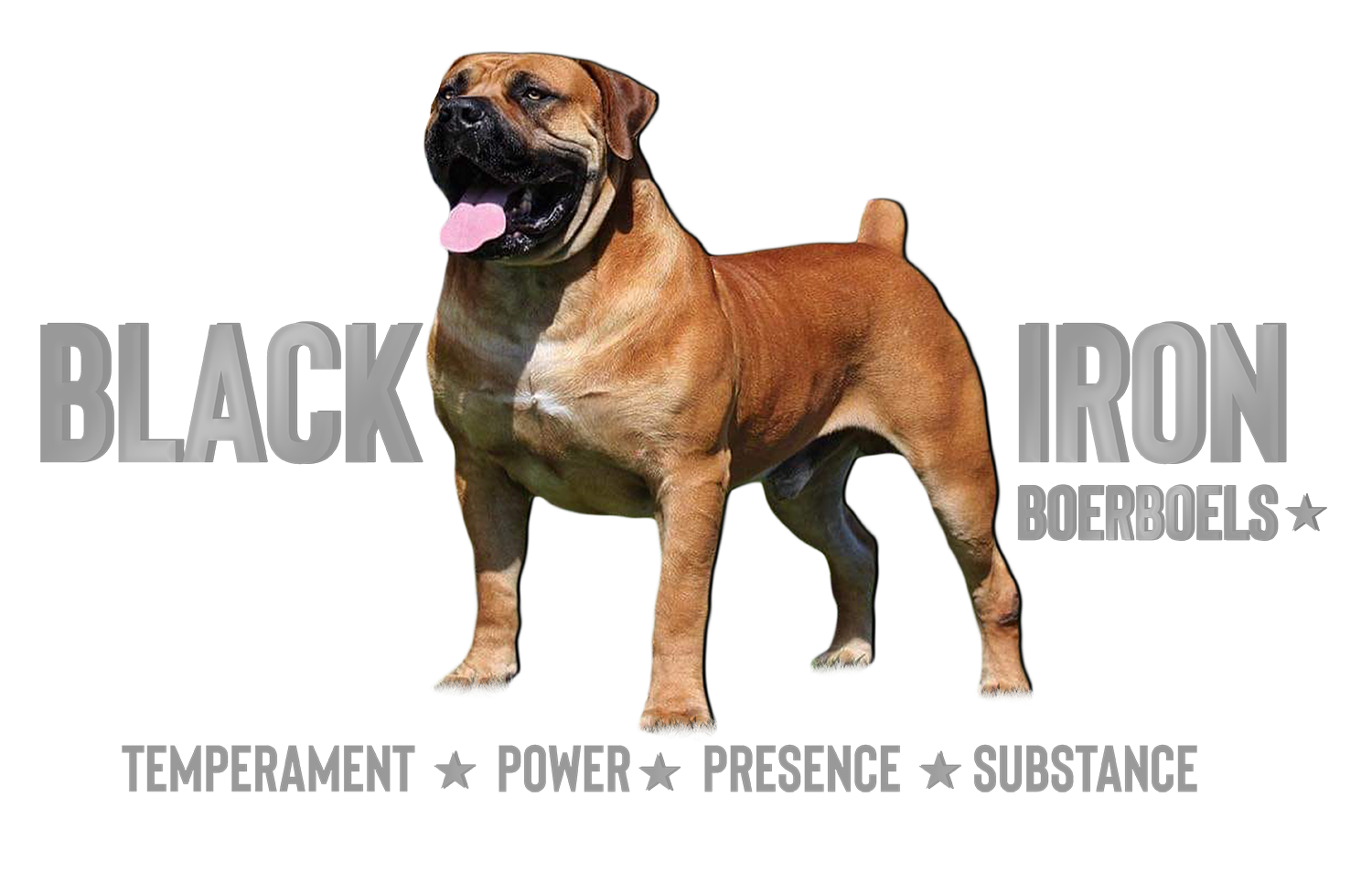


Both Boerboels and Bullmastiffs carry reputations as powerful, confident dogs capable of protecting families and properties with unmatched loyalty. While similarities exist in their strength and imposing presence, their behavior, build, and compatibility with different owners diverge in important ways.
Matching a large-breed dog to your household means learning how each breed functions in a family setting and what demands they place on space, training, and leadership. Experienced owners often come to this decision after firsthand exposure to both breeds in action. Before you move forward, examine the factors that influence whether a Boerboel or Bullmastiff fits your lifestyle best.
Temperament and Protective Instincts
Boerboels operate with high-level territorial instincts and require confident direction from the start to prevent unwanted dominance behaviors. Bullmastiffs still display guarding tendencies, but they typically act with less assertiveness when compared directly with South African working dogs. Families often find Bullmastiffs more passive around guests, while Boerboels remain actively watchful even after introductions conclude.
Behavior under pressure highlights another major distinction, especially when family activity levels run high or when new people frequently enter the home. Boerboels maintain a sharper response to change and need a consistent structure to thrive without friction. Bullmastiffs often settle more quickly in variable environments with relaxed rules and looser leadership.
One key difference you should know when comparing Boerboels and Bullmastiffs is that Boerboels often require a higher degree of day-to-day engagement to maintain their balanced behavior in family settings. This doesn’t make one easier to own; it simply means the leadership styles that work best vary depending on breed.
Size, Muscle Structure, and Appearance
Boerboels generally reach heavier and taller proportions than Bullmastiffs and carry a denser, more muscular build from chest to hindquarters. The power contributes to a striking physical presence but also affects movement and behavior inside smaller homes. Owners with confined interior space may find that Bullmastiffs navigate more easily around indoor furniture and foot traffic.
Head shape marks another sharp contrast between breeds, with Bullmastiffs showing a broader, more compressed skull and shorter snout. Boerboels possess a longer, blockier head that creates a different overall silhouette, especially in their side profile. Coat texture and colors share overlap, but Boerboels often display a shinier, tighter skin quality, especially when fully developed.
One key difference you should know when comparing Boerboels and Bullmastiffs is that Boerboels consistently grow into bulkier, more athletic frames that impact everything from mobility to space planning. That physical structure matches their temperament in ways owners must prepare for long before full maturity.
Training Needs and Owner Experience
Training either breed demands authority, presence, and clarity from the first day they enter your home. Boerboels respond well to structured environments but challenge inconsistent handlers quickly if they sense weakness or indecision. Bullmastiffs still require firmness but display less pushback when basic rules stay consistent and clear.
Owners with less working dog experience often gravitate toward Bullmastiffs because the obedience curve feels more forgiving. However, that softer compliance doesn’t guarantee fewer issues. Bullmastiffs still carry power and stubborn streaks that surface under stress. The difference lies in how often and how strongly each breed tests boundaries.
At Black Iron Boerboel, we provide Boerboel puppies and black smoke Maine Coon kittens for salefor those interested in larger domestic cats. Matching a breed to your home means factoring in not just obedience level, but how their energy and reactivity align with your daily structure and expectations.
Health, Lifespan, and Veterinary Considerations
Boerboels typically live between 9 and 12 years, with longevity hinging on genetics, diet, and physical activity. Bullmastiffs don’t typically live as long, often falling between 7 and 10 years, with joint and cardiac complications appearing more frequently in later life. Proactive health planning plays a vital role in keeping either dog mobile and comfortable past age eight.
Boerboels tend to suffer fewer breathing issues than Bullmastiffs, particularly because their snouts allow more natural airflow and reduce the risk of overheating. Bullmastiffs, with their shorter faces, confront added scrutiny in warm climates and during intense exercise. Joint protection also becomes essential early on, as both breeds gain mass rapidly during adolescence.
Nutritional requirements, especially around calcium balance and protein quality, must receive attention from puppyhood through senior years. Choosing the right veterinary team and feeding program sets the tone for resilience, comfort, and long-term vitality across both breeds.
Energy Levels and Daily Activity Needs
Boerboels operate with higher drive and maintain alert energy through much of the day, especially in active households or larger properties. Activity level doesn’t mean they need constant playtime, but rather, they benefit from purposeful engagement that mimics working roles. Bullmastiffs, by comparison, relax sooner and prefer shorter sessions of play or patrol before returning to rest.
Owners who enjoy morning jogs or late-day hikes often find Boerboels more eager to participate without coaxing. Bullmastiffs might come along, but they rarely lead the charge with enthusiasm unless carefully conditioned. The ideal match depends on how much activity, structure, and stimulation a household naturally provides.
When comparing isolation valves and standard valves, consider how much immediate responsiveness you want under pressure. The same logic applies when you select a high-drive working dog or a more laid-back companion for home protection and family bonding.
Compatibility With Kids, Pets, and Visitors
Boerboels often bond tightly to family children but require early introductions and constant supervision to prevent possessive behavior. Bullmastiffs usually tolerate children with less supervision, especially when raised around them from puppyhood. Regardless of breed, large dogs and young kids should always interact under a watchful adult eye.
Bullmastiffs tend to accept other pets with fewer hurdles, especially if animals already live in the home. Boerboels may need extended socialization programs and carefully guided meetings with unfamiliar dogs. Instincts tied to dominance and territory control surface more readily when Boerboels feel challenged or unbalanced.
Socialization does not stop at eight weeks; it continues through adolescence and into adulthood. Whether you raise one dog or multiple, clear rules, separation zones, and confidence-building shape future behavior around guests, neighbors, and visiting animals.
Choosing between Boerboels and Bullmastiffs comes down to more than looks or popularity; it requires clarity around lifestyle, experience, and goals. While both breeds offer protection, strength, and loyalty, each demands different energy levels, space needs, and leadership approaches.
Long-term satisfaction only comes when you understand the role each breed plays inside your home and outside your door. Reach out to us at Black Iron Boerboel when you’re ready to meet a serious dog built for more than companionship.