



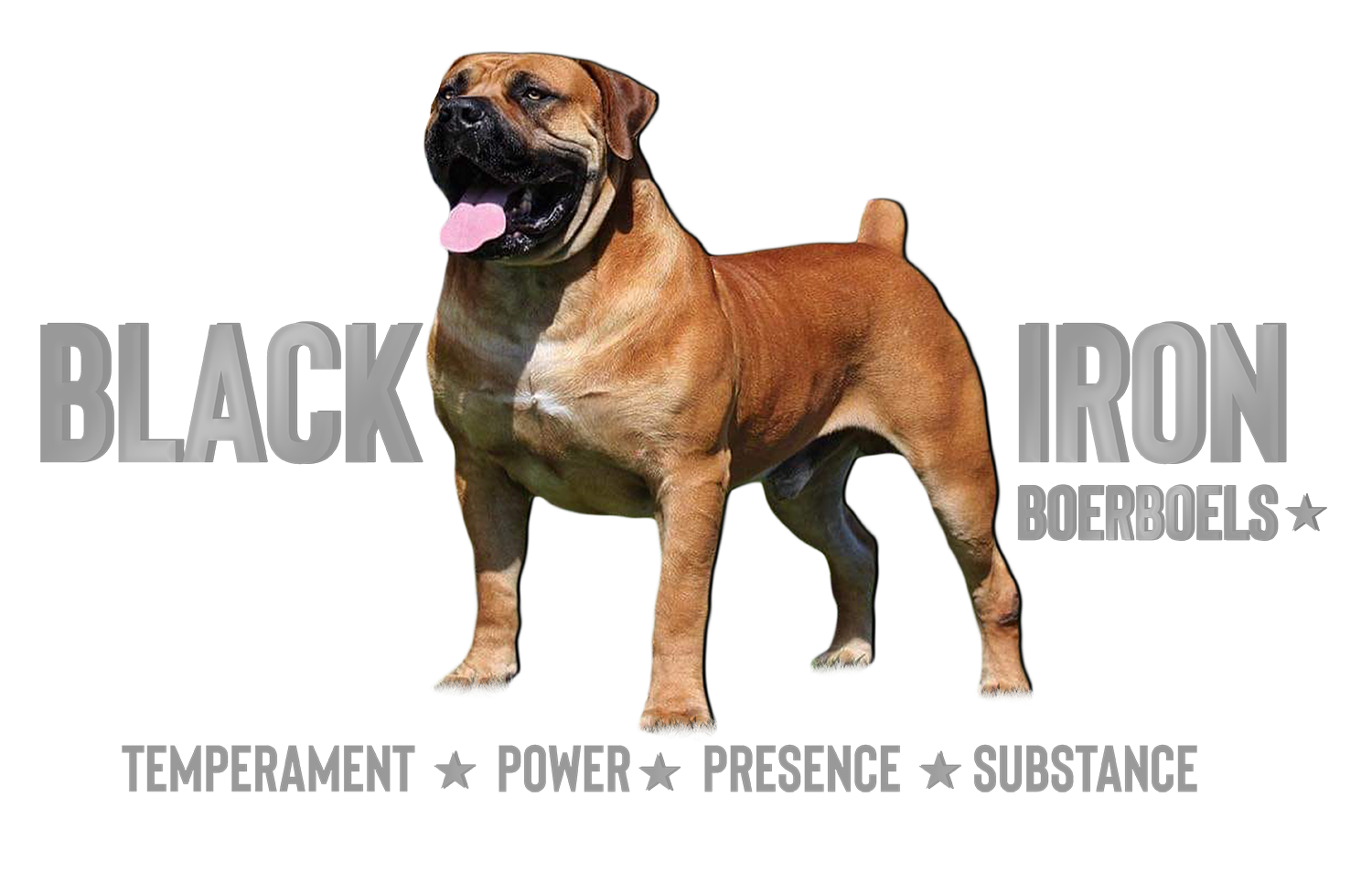



Two magnificent guardian breeds command attention and respect wherever they go: the South African Boerboel and the Italian Cane Corso. Both breeds possess impressive physical presence, unwavering loyalty, and protective instincts that make them excellent family guardians. However, these powerful dogs differ significantly in their origins, temperaments, and care requirements.
Choosing between a Boerboel and a Cane Corso requires careful consideration of your lifestyle, experience with large breeds, and specific family needs. While both breeds share similar protective qualities, their unique characteristics make each better suited for different types of owners and living situations.
This comprehensive comparison examines every aspect of these remarkable breeds to help you make an informed decision about which might become your next four-legged family member.
Understanding the Boerboel
The Boerboel originated in South Africa during the 17th century when Dutch settlers bred their European mastiffs with indigenous African dogs. This powerful breed developed as a farm guardian, protecting families and livestock from predators and intruders across the harsh South African landscape.
Male Boerboels typically weigh between 150 and 200 pounds and stand 24 to 27 inches tall, while females range from 110 to 143 pounds and measure 22 to 25 inches in height. Their muscular, well-balanced build demonstrates both strength and agility. The breed features a broad head with a short muzzle, dark eyes, and ears that fold forward naturally.
Boerboels exhibit calm, confident temperaments with their families while maintaining vigilant protective instincts. They form incredibly strong bonds with their owners and show particular gentleness with children. However, their natural wariness of strangers requires early and consistent socialization to prevent overprotectiveness.
These athletic dogs need substantial daily exercise, including long walks, playtime, and mental challenges. Their high intelligence demands engaging activities that prevent boredom and destructive behaviors. Training must begin early and remain consistent throughout their lives, as their strong-willed nature can present challenges for inexperienced handlers.
Understanding the Cane Corso
The Cane Corso traces its lineage to ancient Roman war dogs and has served various roles throughout Italian history, from hunting wild boar to guarding estates and properties. After nearly becoming extinct in the mid-20th century, dedicated breeders revived the breed, which gained American Kennel Club recognition in 2010.
Male Cane Corsos weigh 100 to 110 pounds and stand 25 to 27.5 inches tall, while females weigh 88 to 99 pounds and measure 23.5 to 26 inches in height. Their lean, athletic build differs from the Boerboel’s more massive frame. The breed exhibits a distinctive head shape, characterized by a broad skull, muscular cheeks, and either cropped or natural ears.
Cane Corsos possess stable, even temperaments when properly socialized. They exhibit deep devotion to their families and demonstrate natural protective instincts without resorting to excessive aggression. Their intelligence and eagerness to please make them highly trainable when handled by confident owners.
These active dogs require moderate to high levels of exercise, including daily walks and interactive play sessions. Mental stimulation proves equally important, as bored Cane Corsos may develop behavioral problems. Their intelligence and trainability make them excellent candidates for various dog sports and activities.
Detailed Breed Comparison
Let’s take a closer look at the differences between Boerboels and Cane Corsos so you know which breed is right for you.
Physical Appearance
The Boerboel presents a more substantial, heavier build compared to the Cane Corso’s leaner frame. Boerboels display broader heads with shorter muzzles, while Cane Corsos feature longer, more refined head shapes. Both breeds exhibit muscular development, but the Boerboel carries significantly more mass.
Coat differences distinguish these breeds clearly. Boerboels sport short, dense coats in colors ranging from fawn to dark brindle, with some white markings acceptable on the chest and feet. Cane Corsos also have short coats but appear in black, gray, fawn, red, and brindle variations, with small white patches permitted on specific areas.
Temperament and Personality
Both breeds demonstrate loyalty and protectiveness, but they express these traits in different ways. Boerboels tend to be more naturally suspicious of strangers and may take longer to warm up to new people. Cane Corsos, while still protective, often show more adaptability in social situations when properly introduced.
Family compatibility varies between the breeds. Boerboels typically display exceptional patience with children and form incredibly strong family bonds. Cane Corsos also make wonderful family dogs, but may show slightly less tolerance for rough play from very young children.
Socialization requirements prove critical for both breeds but present different challenges. Boerboels need extensive early exposure to various people, animals, and situations to prevent overprotectiveness. Cane Corsos require consistent socialization to maintain their naturally even temperament and prevent shyness or aggression.
Exercise and Training Needs
Exercise requirements differ between these breeds. Boerboels require substantial daily activity and excel at engaging activities that stimulate both their bodies and minds. Their athletic build makes them suitable for hiking, swimming, and various dog sports. Cane Corsos require moderate to high exercise levels but may be satisfied with slightly less intense activities.
Training approaches must account for each breed’s unique characteristics. Boerboels respond best to firm, consistent leadership combined with positive reinforcement methods. Their independent nature requires patient, persistent training efforts. Cane Corsos typically show greater eagerness to please and may progress more quickly in training programs when handled by confident owners.
Health Considerations
Both breeds face similar health challenges common to large dogs. Hip and elbow dysplasia affect both Boerboels and Cane Corsos, making health testing of breeding stock crucial. Boerboels may experience heart conditions, eyelid abnormalities, and bloat. Cane Corsos can develop cherry eye, demodectic mange, and idiopathic epilepsy.
Lifespan expectations vary slightly between breeds. Boerboels typically live 9 to 11 years, while Cane Corsos average 9 to 12 years. Both breeds benefit from regular veterinary care, a balanced diet, and proper weight management to maximize their health and longevity.
Grooming Requirements
Both breeds feature low-maintenance coat care needs. Boerboels shed moderately throughout the year, with heavier shedding periods occurring during seasonal changes. Weekly brushing removes loose hair and keeps their coat healthy. Cane Corsos shed similarly and benefit from regular brushing, particularly during shedding seasons.
Neither breed requires professional grooming beyond basic nail trimming, ear cleaning, and dental care. The short coats of these two breeds make them relatively easy to maintain, though both breeds drool moderately and may require occasional face cleaning.
Choosing the Right Breed for Your Family
Families with children should carefully consider each breed’s specific traits. Boerboels often display exceptional patience and gentleness with kids, making them excellent family guardians. Their size requires supervision around very small children, but their calm nature typically makes interactions positive and enjoyable. Cane Corsos also work well with children but may need more structured introductions and ongoing supervision.
First-time large breed owners face different challenges with each breed. Cane Corsos may present fewer training difficulties due to their eagerness to please, but both breeds require experienced handling to manage their size and strength effectively. Neither breed suits novice dog owners without proper preparation and commitment to training.
Living environment considerations play an important role in breed selection. Both breeds adapt to various living situations but perform best with adequate space for exercise and mental stimulation.
Working with reputable South African Boerboel breeders, like Black Iron Boerboels, becomes particularly important given the breed’s specific characteristics and potential health concerns. Quality breeders provide health testing results, socialization experiences, and ongoing support throughout the dog’s life.
Making Your Final Decision
The choice between a Boerboel and Cane Corso ultimately depends on your specific circumstances, experience level, and preferences. Boerboels suit families seeking a combination of maximum protective instincts and gentle family companionship, particularly those with experience handling strong-willed breeds. Cane Corsos appeal to owners wanting intelligent, trainable guardians with slightly more social adaptability.
Both breeds require significant commitments of time, energy, and resources throughout their lives. Consider your long-term ability to provide appropriate exercise, training, and healthcare before making your decision. Research reputable breeders thoroughly, meet adult dogs of both breeds when possible, and honestly assess your capabilities as an owner.
These magnificent breeds offer years of loyal companionship and protection when matched with appropriate families. Take the time to evaluate your needs, and you’ll find yourself with a devoted guardian and family member who enriches your life immeasurably.